
Revive Every Legacy Machine With Smart, Non-Invasive Sensing

The Fastest Path From Blind Spots to Measured Flow
Inside the Bundle: Sensors, Brackets, Gateways, and Power
Non-invasive signal capture that respects warranties
Magnetic mounts, adhesive pads, and zip-tied current clamps avoid drilling or rewiring. You read machine behavior from outer clues: motor draw, frame vibration, part detection. That means faster approvals, safer installs, and the confidence that production can continue while intelligence quietly comes online beside it.
Edge intelligence that speaks factory languages
The gateway buffers noisy reality, turning pulses and analog drift into clean events. It can publish via MQTT, OPC UA, or simple REST, using certificates and store-and-forward. By summarizing cycles, states, and reasons locally, bandwidth stays low and central systems remain lean, reliable, and actionable.
Availability from clean state detection
Performance from cycles, rates, and small speed losses
Quality when scrap counts are imperfect
Catching Downtime the Moment It Starts
01
Root-cause tagging that people actually complete
Operators are busy, so prompts must be fast and forgiving. A small tablet or scanner offers a short, curated list that fits the line, with free-text as backup. Defaults, autofill, and last-used options speed entry, raising completion rates and the credibility of every single downtime chart.
02
Alerts that help instead of harassing
Notifications should escalate thoughtfully: a nudge to the cell, then the supervisor, then maintenance only if thresholds persist. Include the last few sensor snippets so responders arrive informed. Quiet hours, suppression rules, and one-tap acknowledgments keep attention focused and goodwill intact shift after shift.
03
Shadow mode that earns trust before action
Run dashboards silently alongside existing reports for a short period. When people see parity on the big numbers and extra clarity on the small losses, skepticism fades. Then enable alerts and daily reviews, backed by clear definitions, change logs, and the ability to drill into evidence.
Installation Playbook for Any Legacy Line

Security, IT/OT Handshake, and Data Ownership

Network architectures that satisfy auditors
Place gateways on segmented VLANs with firewalls restricting outbound protocols. Use certificates managed by IT, rotate keys, and log every connection. Store-and-forward protects data during outages. When the walkthrough happens, you demonstrate controls, evidence, and intent, turning scary questions into straightforward confirmations and sign-offs.
Interoperability without endless middleware
Place gateways on segmented VLANs with firewalls restricting outbound protocols. Use certificates managed by IT, rotate keys, and log every connection. Store-and-forward protects data during outages. When the walkthrough happens, you demonstrate controls, evidence, and intent, turning scary questions into straightforward confirmations and sign-offs.
Governance that earns everyday buy-in
Place gateways on segmented VLANs with firewalls restricting outbound protocols. Use certificates managed by IT, rotate keys, and log every connection. Store-and-forward protects data during outages. When the walkthrough happens, you demonstrate controls, evidence, and intent, turning scary questions into straightforward confirmations and sign-offs.
Stories From the Floor: Fast Wins That Last
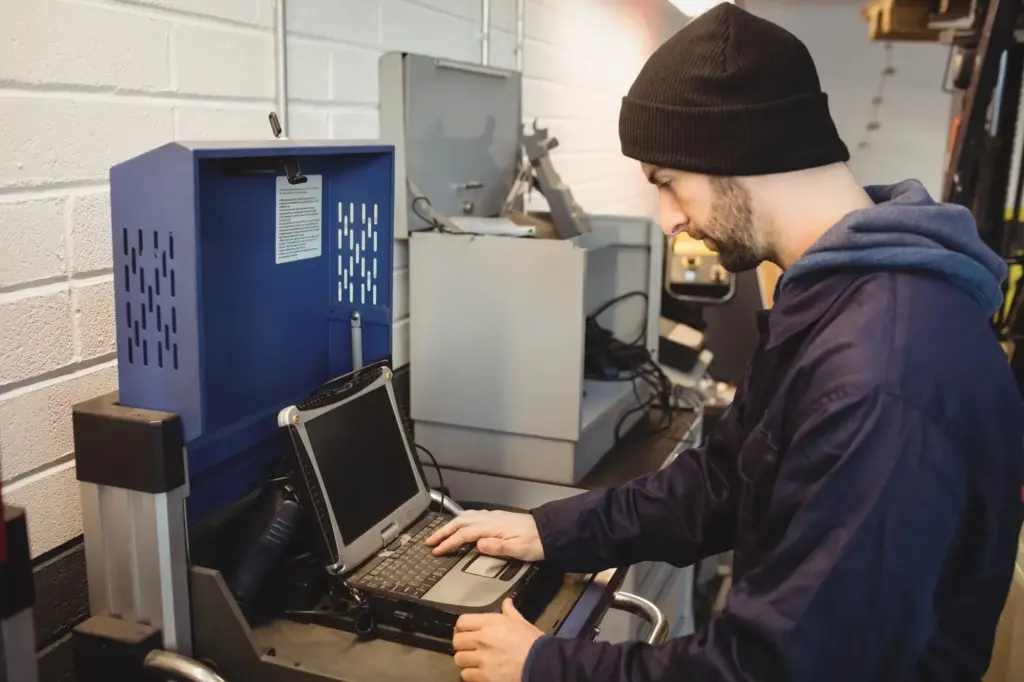
Press shop uncovers the swarm of micro-stops
A stamping line believed mechanical faults were the villain. Sensors revealed starvation from upstream coil changes and slow die warming caused most losses. By adjusting schedules and preheating procedures, they reclaimed hours weekly, lifted availability, and reduced finger-pointing, while operators proudly owned the new, clearer scoreboard.
Molding cell escapes weekend surprises
A stamping line believed mechanical faults were the villain. Sensors revealed starvation from upstream coil changes and slow die warming caused most losses. By adjusting schedules and preheating procedures, they reclaimed hours weekly, lifted availability, and reduced finger-pointing, while operators proudly owned the new, clearer scoreboard.
Sawmill scales from pilot to powerhouse
A stamping line believed mechanical faults were the villain. Sensors revealed starvation from upstream coil changes and slow die warming caused most losses. By adjusting schedules and preheating procedures, they reclaimed hours weekly, lifted availability, and reduced finger-pointing, while operators proudly owned the new, clearer scoreboard.
All Rights Reserved.